Exploring Winemaking: The Purist Philosophy
The philosophy of clarity
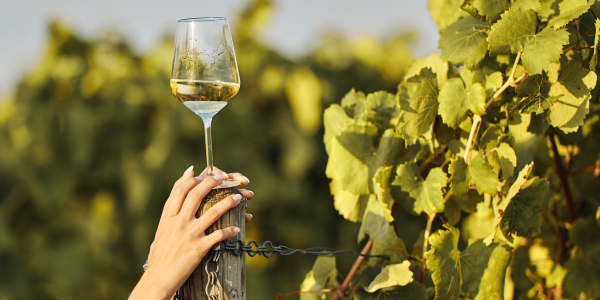
If you are holding a glass of Bacchus or Ortega right now, pause for a second. Before you taste it, look at it. Purist wines always look like they were born clean. Clear. Bright. Edges sharp as morning light.
The Purist philosophy starts with a simple question. What happens if I do less. It sounds easy but it is probably the hardest path in winemaking. Because doing less does not mean doing nothing. It means choosing precisely when to act and when to trust the fruit.
How a Purist winemaker thinks
If you were the Purist in the winery today, this is how your brain would work:
Harvest early and gently
You would walk the vineyard constantly. You would trust your palate more than numbers. You would pick by hand at dawn when the grapes are cold and singing with acidity.
Press without force
You would whole bunch press so the juice stays crystalline. You would wince at the idea of anything harsh or overworked.
Let the natural yeast lead
You would fill your stainless tank and walk away. No additions. No shortcuts. No panic. The fruit brought everything it needs.
Keep it still
You would avoid stirring. You would avoid oak. You would avoid decisions unless absolutely necessary. Your job is to protect what arrived, not rewrite it.
Bottle early so it stays alive
As soon as the wine feels pure, you stop. Capture it. Keep the vineyard in the glass.

The global Purist
Around the world Purists are often the quiet ones. The winemakers with mud on their boots and an almost spiritual love of morning fruit.
You find them in:
- The Loire making Muscadet that tastes like sea spray
- Germany making Riesling laser sharp and untouched
- Galicia where Albariño is kept bright and salty
- Marlborough where Sauvignon is bottled before it loses its lightning
They all believe the same thing. Nature knows what it is doing.

What Jose does at Vagabond
Jose treats Purist wines as sacred.
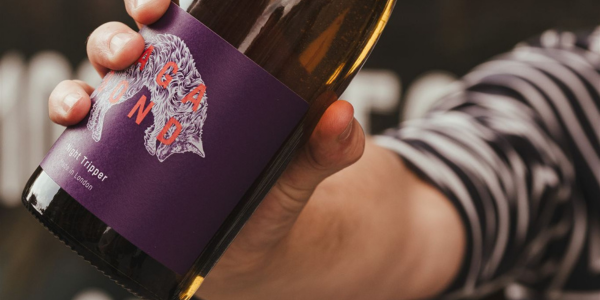
Our Bacchus is whole bunch pressed. No chaptalisation. No enzymes. Wild fermentation at 20 degrees. Rested on gross lees. Lightly filtered and bottled early so the orchard fruit remains crisp.
He calls these wines the ones he “gets out of the way for” and he means it.
What to taste right now
Take a sip.
There should be clarity.
Fresh cut apple. Elderflower. White peach skins. A suggestion of English hedgerow.
A Purist wine always finishes clean.
No heaviness.
No blur.
Just a straight line of flavour from first sip to last.

Tell tale signs of a Purist wine
- Crystal clear colour
- Bright acidity
- Aromatics that feel natural not perfumed
- A finish that leaves nothing behind except freshness
- Welcome to the quiet end of winemaking. Drink it slowly.